Influencer Marketing on Twitter (X) in 2026: Complete Playbook
Influencer marketing on Twitter (X) covers nano to celebrity tiers; complete 2026 guide on pricing, deal structures, ROI metrics, and a six-step campaign workflow.


Brand-driven content on X delivers a median engagement rate of just 0.015%. Influencer-driven content from the right creator partners regularly hits 1-5%. That gap is why influencer marketing on Twitter has become one of the highest-ROI paid channels on the platform in 2026. The challenge is picking the right creators, structuring the right deals, and measuring the right outcomes.
This guide walks through how X influencer marketing works in 2026: the four tiers of creators (nano, micro, macro, celebrity), how to identify partners that actually drive results, the pricing benchmarks per tier, the deal structures that align incentives, the metrics that prove ROI, and the workflow for running an influencer program from zero to scaled. With X paying out $415M to creators in 2025 (up from $260M in 2024), the creator economy on X is mature enough to support real influencer strategies.
Why Influencer Marketing Outperforms Brand Ads on X
Three structural advantages.
1. Engagement quality. According to Sprout Social's 2026 industry data, median brand engagement on X is 0.015%. Solo creators routinely hit 1-5%, sometimes higher. Borrowing a creator's engagement rate produces vastly better economics than running your own brand-account ads.
2. Audience trust. Followers chose to follow creators because they value their voice. A creator endorsement carries authentic credibility that a brand ad cannot.
3. Algorithmic amplification. Posts that gain rapid engagement in the first 30 minutes get amplified to wider audiences. Creator audiences are pre-warmed to engage; brand accounts are not. The velocity signal compounds.
According to Digital Applied's 2026 marketing report, brands that shifted 30%+ of X marketing budget from direct ads to influencer partnerships saw 2-4x ROI improvement within 6 months.
The Four Tiers of X Influencers in 2026
Each tier serves different goals.
| Tier | Follower Range | Typical ER | Cost per Tweet | Best For |
|---|---|---|---|---|
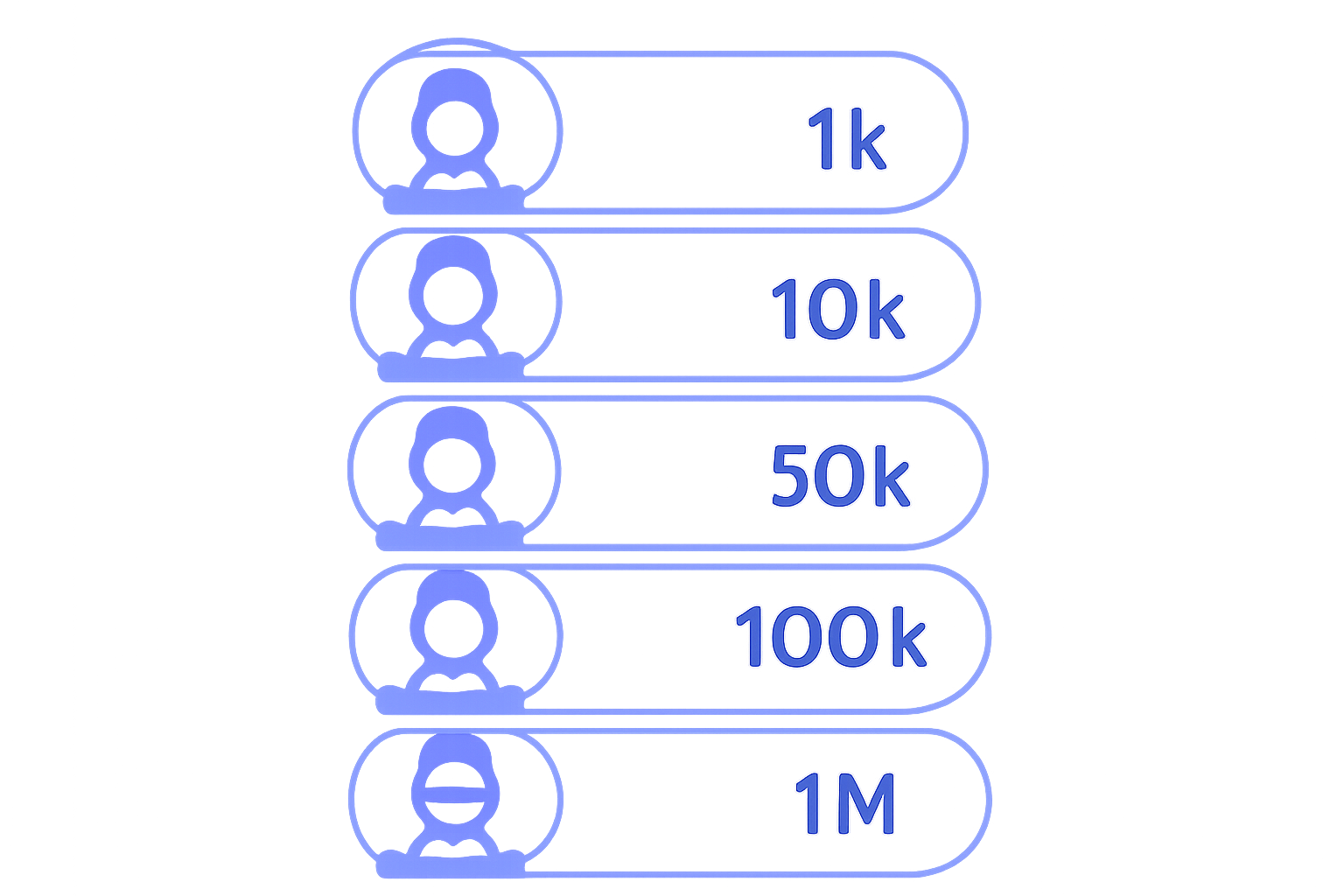
| Nano | 1K-10K | 2-5% | $50-$300 | Niche credibility, high authenticity |
| Micro | 10K-50K | 1-3% | $200-$1,000 | Targeted reach, strong engagement |
| Mid-tier | 50K-250K | 0.5-2% | $500-$3,000 | Broad niche penetration |
| Macro | 250K-1M | 0.3-1% | $2,000-$10,000 | Mass awareness, broad audience |
| Celebrity | 1M+ | 0.1-0.5% | $5,000-$50,000+ | Major brand launches, PR |
| Xarmy creator network | Verified across tiers | Brand-matched by engagement quality | Pricing weighted to true reach |
The 2026 sweet spot for most brands is nano + micro tiers. They produce the highest engagement rates and the most authentic content. Mid-tier and macro work for broad awareness when budget supports.
How to Identify Influencers Who Actually Drive Results
Three diagnostic methods beyond raw follower count.
1. Engagement Rate Audit
Calculate the creator's average engagement rate from their last 30 posts. Above 3% for sub-50K accounts is strong; above 1% for 100K+ is strong. Anything below half the typical tier range suggests inflated followers.
2. Audience Overlap Check
Verify the creator's audience matches your target. Tools like Followerwonk or SparkToro analyze follower demographics. Mismatched audiences burn budget regardless of engagement rate.
3. Authenticity Indicators
Check for consistent posting cadence (not bursts), thoughtful replies to commenters, and an existing track record of brand partnerships. Creators who never engage personally rarely produce strong partnership results.
Our engagement rate calculator guide covers the math for evaluating creator engagement quality.
The Three Deal Structures That Align Incentives
How you compensate creators determines the kind of content you get.
Flat Fee per Post
Pay a fixed amount per sponsored tweet or thread. Simplest structure. Creator gets paid regardless of performance.
Best for: predictable brand campaigns, awareness-focused goals.
Risk: creator may produce minimum-effort content if no performance incentive.
Performance Bonus
Flat fee plus bonus tied to specific metrics (impressions over 100K, X clicks, sign-ups). Aligns incentives.
Best for: conversion-focused campaigns, established creators.
Risk: bonus structure requires clear measurement infrastructure.
Affiliate / Revenue Share
Lower upfront fee plus percentage of attributable sales or sign-ups. Creator becomes a true partner.
Best for: subscription products, e-commerce, long-term creator relationships.
Risk: attribution accuracy on X is imperfect; some sales will be missed.
Most successful 2026 campaigns combine flat fee with modest performance bonus. Pure affiliate works for established creator-product fits but is harder to sell to new creators.
The Metrics That Prove Influencer ROI
Five metrics that determine campaign success.
- Engagement rate: Total engagements / impressions × 100. Compare to your brand account baseline and to the creator's organic average.
- Reach: Total impressions of sponsored content.
- Click-through rate: Clicks to your linked destination per impression. External link CTR is dying (1.2% in 2026), but creator-driven clicks often beat that.
- Cost per engagement: Total campaign spend / total engagements. Compare across creators and against your X Ads benchmark.
- Attribution: Sign-ups, sales, or other conversion events tied to the campaign via UTM tracking or unique codes.
According to Metricool's 2026 study of 1.1 million posts, retweets surged 35% year over year (4.93 to 6.67 per post on average). Influencer campaigns with strong retweet performance produce disproportionate reach amplification beyond the creator's direct audience.
How to Run an Influencer Campaign on X
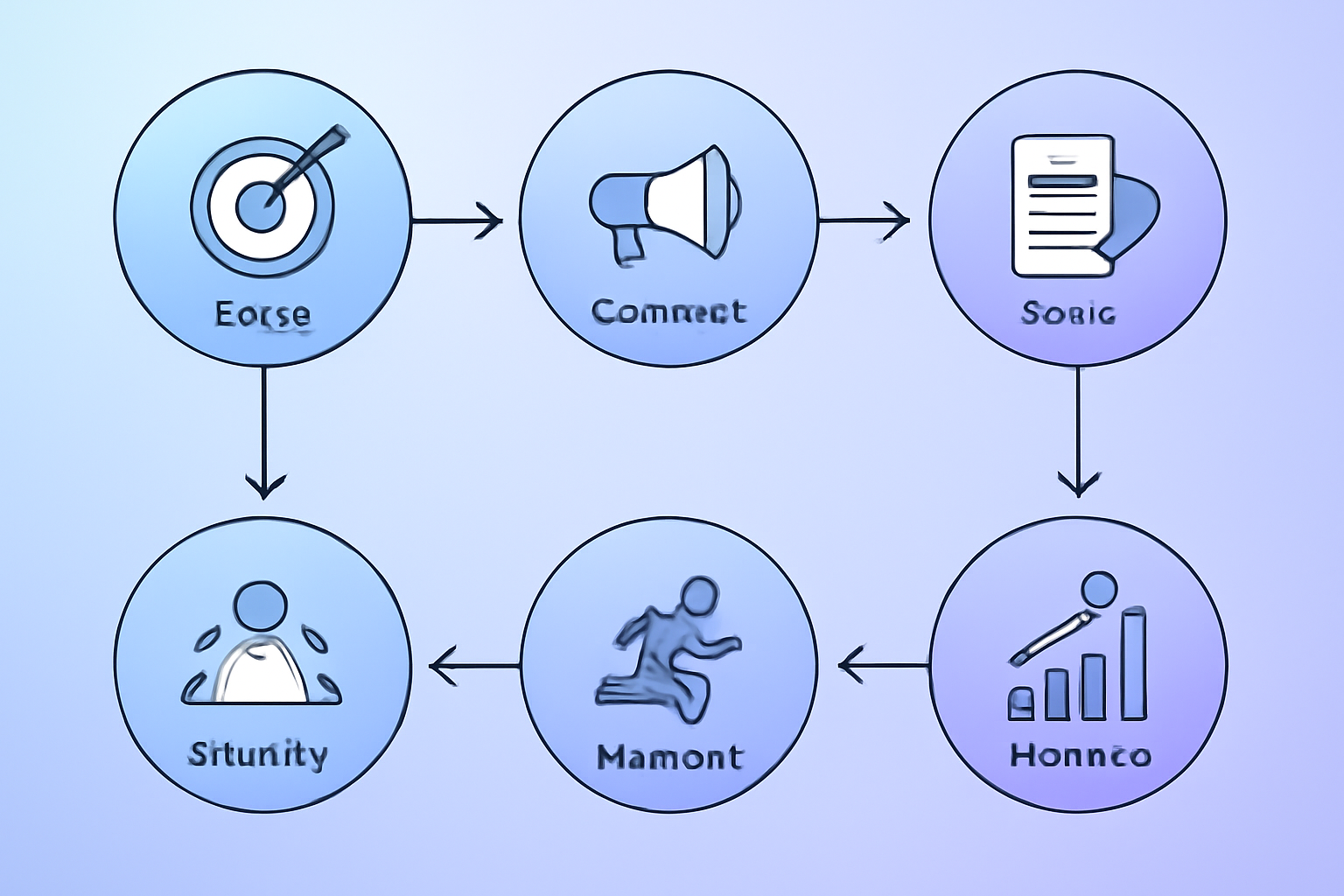
Six-step workflow that consistently produces measurable ROI.
Step 1: Define Campaign Goals
Awareness, engagement, conversions, or a specific launch moment. Different goals require different tier choices and metrics.
Step 2: Identify 10-20 Candidate Creators
Use tools like Followerwonk, HypeAuditor, or manual research. Look for niche fit, engagement rate above tier baseline, and authenticity signals.
Step 3: Outreach
Send personalized DMs or emails. Include campaign brief, compensation range, and timeline. Expect 30-50% response rate from quality creators.
Step 4: Brief and Contract
Provide creative direction without micromanaging voice. Creators perform best when they retain authorial control over execution. Include FTC compliance requirements (#ad or "Promoted" disclosure).
Step 5: Execution and Monitoring
Schedule posts at peak engagement times. Show up to engage with replies in the first 30 minutes to lift velocity. Track metrics in real time.
Step 6: Measurement and Iteration
Calculate ROI per creator. Identify top performers for follow-up campaigns. Document learnings for future campaigns.
Most accounts running their first campaign produce mixed results across creators. By campaign 3-4, ROI per dollar typically doubles or triples as you identify which creators deliver best for your specific brand.
Common Influencer Marketing Mistakes
Five patterns that waste budget.
- Chasing follower count: A 500K-follower creator with 0.2% engagement produces fewer engagements than a 20K-follower creator with 4%.
- Generic outreach: Mass-DMing 100 creators with the same template produces 1-2% response rate. Personalized outreach hits 30-50%.
- Over-scripting content: Demanding exact wording strips authenticity. Provide brief and key messages; let the creator deliver in their voice.
- No attribution infrastructure: Without UTM links or unique codes, you cannot prove ROI.
- One-and-done campaigns: Repeat partnerships with proven creators produce better ROI than constant new-creator testing.
Compliance and Disclosure
Both X policy and most national advertising regulations require disclosure on sponsored content.
- Use #ad or "Promoted" tag: Visible in the tweet, not buried in mentions.
- X's branded content tools: Verified Organizations and Premium creators can use X's built-in sponsored content disclosure.
- FTC guidelines (US): Disclosure must be unambiguous and prominent.
- UK, EU, AU equivalents: Similar requirements with national variations.
Non-compliant campaigns face platform penalties, regulatory fines, and brand reputation damage. Always require clear disclosure as part of the creator contract.
How Community Engagement Amplifies Influencer Campaigns
Beyond paid creator partnerships, verified engagement communities can amplify sponsored content in the critical first 30 minutes. Posts that get rapid engagement during the velocity window get algorithmically amplified to wider audiences.
Our AI-powered platform connects sponsored content with 10,000+ verified creators in your niche, generating the first-30-minute engagement signal that triggers algorithmic amplification. Members see 450% average reach increase compared to organic-only.
This is different from buying followers or using bots. The engagement comes from real, niche-matched creators who choose to engage with relevant content. The algorithm reads this as high-quality activity and rewards accordingly. Our audience growth guide covers the difference between safe and unsafe amplification.
Frequently Asked Questions
How much does Twitter (X) influencer marketing cost in 2026?
Pricing varies by tier: nano-creators (1K-10K followers) charge $50-$300 per sponsored tweet; micro (10K-50K) charge $200-$1,000; mid-tier (50K-250K) charge $500-$3,000; macro (250K-1M) charge $2,000-$10,000; celebrities (1M+) charge $5,000-$50,000+. Threads cost 2-4x more than single tweets.
Which tier of X influencer is best for ROI?
Nano and micro tiers (1K-50K followers) typically deliver the strongest ROI per dollar because they combine high engagement rates (2-5%) with affordable pricing. Mid-tier and macro work for broad awareness when budget is significant. Celebrity tier is rarely cost-effective except for major brand launches.
How do I measure influencer marketing ROI on X?
Track five metrics: engagement rate, total reach, click-through rate, cost per engagement, and attributable conversions (via UTM links or unique codes). Compare to your brand account organic baseline and X Ads benchmark. Most campaigns require 3-6 months of testing to identify which creators deliver the strongest ROI for your specific brand.
Smart influencer marketing on Twitter outperforms brand-direct content because creator engagement rates beat brand engagement by 100-300x in 2026. Pick the right tier, structure deals that align incentives, and amplify with community engagement for the first 30 minutes. Try our AI-powered platform for free to combine influencer partnerships with real engagement from 10,000+ verified creators, the formula that consistently maximizes every campaign's algorithmic amplification.