Stats for Twitter Account: Complete 2026 Tracking Guide
Stats for Twitter (X) account split into three tiers; complete 2026 guide on engagement rate, velocity, profile visits, weekly review, and decision-driving metrics.


Pulling stats for your Twitter account is one thing; knowing which stats matter is another. The native X dashboard surfaces dozens of numbers, third-party tools layer on more, and the result is often paralysis rather than insight. With median engagement on X at 0.015% in 2026 and average impressions per post down 5.3% year over year, separating signal from noise has become essential for any account serious about growth.
This guide breaks down the complete map of stats for Twitter account tracking in 2026: the three tiers of metrics that actually drive decisions, where to find each one (native vs Premium vs third-party), the benchmarks that tell you whether you are winning, the daily and weekly review cadences that turn stats into action, and the stats that look impressive but predict nothing. Whether you are a solo creator, brand, or B2B operator, treating your stats as a decision engine instead of a passive report is the difference between growing and stagnating.
The Three Tiers of X Account Stats
Not every stat deserves equal attention. The 2026 hierarchy.
Tier 1: Drive Growth Directly
- Engagement velocity (first 30 minutes)
- Engagement rate (engagements / impressions × 100)
- Net follower change (new minus unfollows)
Tier 2: Drive Growth Indirectly
- Profile visit rate
- Top-tweet impressions vs median
- Format engagement breakdown
- Time-of-day engagement breakdown
- Audience demographic composition
Tier 3: Vanity (Track but Ignore)
- Raw follower count (without engagement context)
- Total likes (without comparison to impressions)
- Mention count (without sentiment)
Most struggling accounts focus on Tier 3 vanity stats because they are largest in absolute numbers. Top performers obsess over Tier 1 and use Tier 2 to identify optimization opportunities.
Where to Find Each Stat in 2026
| Stat | Native Free | X Premium | Third-Party |
|---|---|---|---|
| Engagement rate | Yes (calculate manually) | Yes (auto) | Yes |
| Engagement velocity | No | No | Yes (Black Magic, Xarmy) |
| Net follower change | Yes | Yes | Yes |
| Profile visit rate | Yes | Yes | Yes |
| Time-of-day breakdown | No | Yes | Yes |
| Audience demographics | No | Yes | Premium tier |
| 90-day history | No (28-day cap) | Yes | Yes |
| Community amplification | No | No | Xarmy |
The native free dashboard at analytics.x.com covers Tier 1 and partial Tier 2. X Premium ($8-16/month) adds the time-of-day breakdown, demographics, and 90-day history. Third-party tools fill the engagement velocity gap, which native dashboards do not surface at all.

Engagement Rate: The Headline Stat
Calculate as (total engagements / total impressions) × 100.
What Counts as Engagement
- Likes
- Replies
- Retweets (reposts)
- Quote tweets
- Link clicks
- Profile clicks
- Hashtag clicks
- Bookmarks
- Media views
2026 Benchmarks
According to Sprout Social's 2026 industry data, median brand engagement on X is 0.015%. Sports accounts top the chart at 0.073%. Individual creators routinely hit 1-5%. Anything above 0.05% is strong for brands; above 1% is exceptional for creators.
Use our engagement rate calculator guide for the math, variants, and benchmark comparisons.
Engagement Velocity: The Hidden Signal
Engagement velocity measures interactions in the first 30 minutes after publish. According to Digital Applied's 2026 marketing report, posts that hit 50+ engagements in this window are 10-20x more likely to break out than slow-starting posts.
Velocity Benchmarks
- Strong: 50+ engagements in first 30 minutes
- Average: 10-30 engagements
- Weak: under 10 engagements
How to Track
X native dashboards do not show velocity. Tools that do: Black Magic ($10/month), Hypefury (paid tiers), our AI-powered platform. Manual tracking via timestamp + 30-minute engagement count is free but time-consuming.
Impressions: Reach Foundation
Impressions count every time your post appears on a screen, including repeats. The cleanest reach metric.
Platform-Wide 2026 Trend
According to Metricool's 2026 study of 1.1 million X posts, average impressions per post declined 5.3% YoY. Comparing your account against this trend:
- Outperforming: your decline shallower than 5%, or impressions growing
- Matching: 5-7% decline matches platform average
- Underperforming: decline exceeds 10%
Underperformers should dig deeper. Check for shadowban patterns, format drift, posting time issues, or audience fatigue.
Profile Visit Rate
Calculate as (profile visits / impressions) × 100.
Why It Matters
Profile visits are the leading indicator for new followers. Users who visit your profile after seeing a post are signaling interest beyond a single tweet.
2026 Benchmarks
Healthy: 0.5-2% conversion from impressions to profile visits. Above 2% indicates strong bio appeal. Below 0.5% suggests in-feed content does not motivate exploration.
Profile clicks dropped 31% YoY (from 8.29 to 5.68 per post). Some decline is platform-wide as the For You feed reaches users more efficiently. Disproportionate decline suggests bio or content alignment issues.
The Weekly Stats Review Workflow
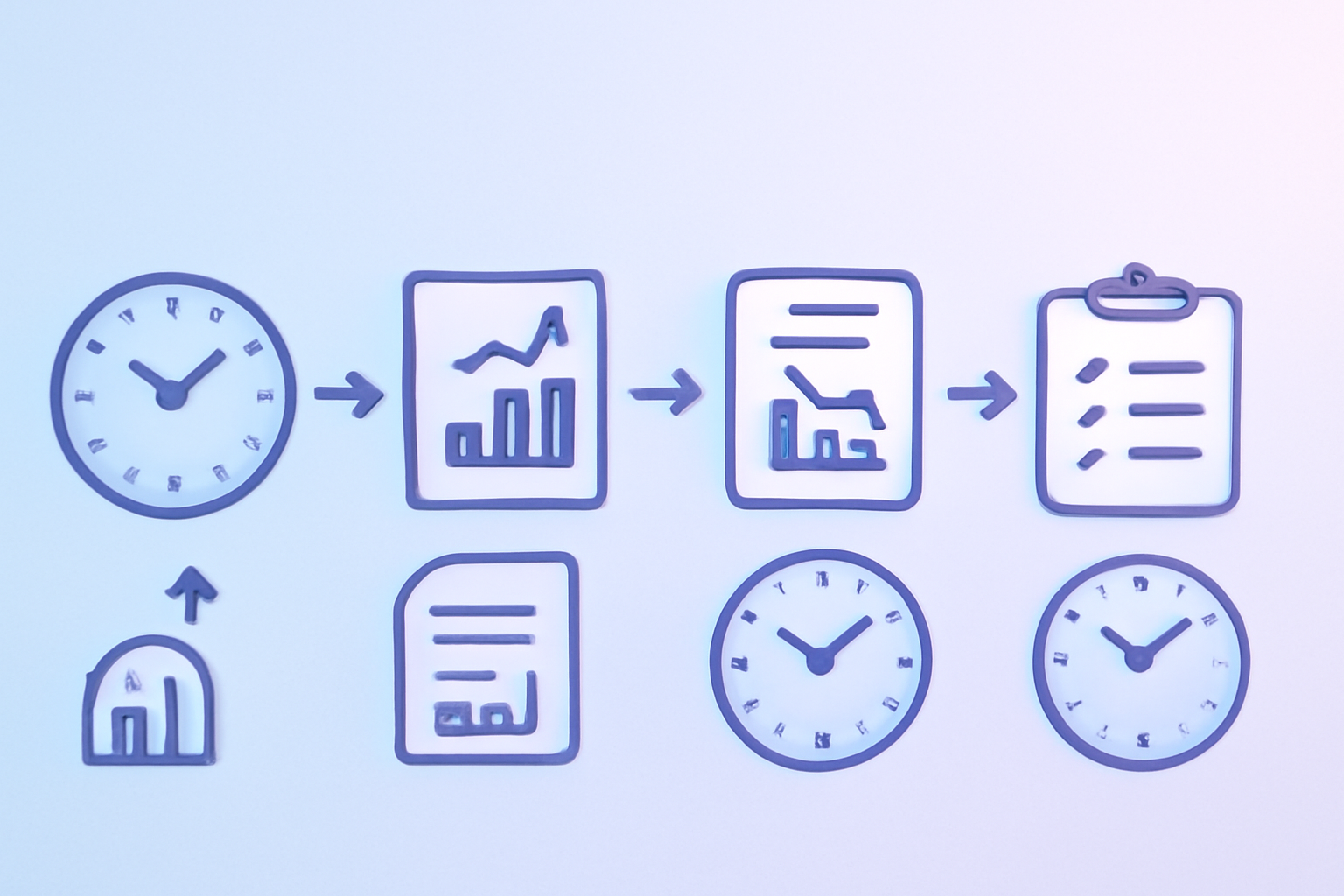
15 minutes every Monday. Turns stats into iteration.
Step 1: Pull Last 7 Days (3 minutes)
Open analytics.x.com. Last 7 days vs prior 7 days. Note any anomalies.
Step 2: Identify Top 3 Posts (4 minutes)
Sort by engagement rate, not impressions. Note format, posting time, topic of each. What worked?
Step 3: Identify Bottom 3 Posts (4 minutes)
Same sort, opposite end. Look for patterns: links, off-peak posts, weak hooks?
Step 4: Plan Next Week's Mix (4 minutes)
Based on top performer patterns, decide format, time, topics for the next 7 days.
Our Twitter analytics guide covers the broader monthly framework this weekly review fits into.
The Monthly Deep Dive
60 minutes once a month. Builds long-term strategy.
Step 1: 30-Day Aggregate
Sum engagements / sum impressions × 100. Compare to prior 30 days.
Step 2: Format Performance
Average engagement rate by format (thread, image, video, single tweet, poll). Identify your top 2.
Step 3: Time Performance
Average engagement rate by hour (Premium feature) or by self-tracked timestamp. Identify your top 2 windows.
Step 4: Velocity Audit
If you track velocity, review which posts hit 50+ in 30 minutes and what they had in common.
Step 5: Action Items
Pick 3-5 specific changes for the next month. Apply, re-measure next monthly review.
Accounts that run monthly deep dives consistently see 30-50% engagement rate growth in 90 days versus accounts that only monitor weekly without monthly strategy adjustments.
Stats That Look Important but Aren't
Three patterns that drain attention from what matters.
Raw Follower Count
10,000 followers with 100 ICP-matched accounts is worth more than 100,000 followers with no ICP match. Engagement rate matters more than raw count.
Total Likes Across Account
Cumulative likes look impressive but tell you nothing about current performance. Use likes per impression instead.
Total Mentions
High mention count without sentiment context means little. Brand monitoring tools that include sentiment analysis are more useful.
Tools for Stats Tracking in 2026
| Tool | Cost | Best For |
|---|---|---|
| X Native Analytics | Free | Tier 1 + partial Tier 2 |
| X Premium | $8-16/month | Time + demographics + 90-day |
| Black Magic | $10+/month | Engagement velocity tracking |
| Hypefury | $19+/month | Combined scheduling + analytics |
| Sprout Social | $249+/month | Multi-account, competitor benchmarking |
| Xarmy Smart Analytics | Free to start | Velocity + community amplification |
For most creators, X native + Premium + one velocity-focused tool covers 90% of needs. Add competitor benchmarking only if you have specific accounts to track against.
Common Stats Tracking Mistakes
Five patterns that turn stats into expensive dashboards.
- Never reviewing: ~40% of accounts with dashboard access never check them
- Chasing impressions over engagement rate: high impressions with low ER is a vanity metric
- Ignoring engagement velocity: strongest predictor of reach in 2026, surfaced by select tools only
- Comparing absolute numbers: your impressions mean nothing without comparison to your historical baseline
- Set-and-forget dashboards: tools without a weekly review become expensive databases
The most common failure is the last one. Setting up tracking is a one-time event; using it is a weekly habit.
How Xarmy Combines Stats With Action
The 2026 reality: tracking stats without acting on velocity is a half-measure. Without consistent first-30-minute engagement, even great content fails algorithmically regardless of how carefully you track other metrics.
Our AI-powered platform combines smart analytics (engagement velocity, community amplification metrics, real-time engagement tracking) with community-driven engagement velocity that lifts the underlying numbers. Average reach lift across user accounts: 450%. The combination of disciplined tracking plus community velocity is what consistently produces top-decile growth on X in 2026.
For solo creators, brands, and B2B operators serious about X, the difference between a stagnant account and a compounding one is rarely tool quality; it is whether stats trigger action.
Frequently Asked Questions
What is the most important stat for a Twitter (X) account in 2026?
Engagement rate (total engagements / total impressions × 100). It normalizes performance across post sizes, integrates quality signals, and directly determines algorithmic distribution. Median brand engagement on X is 0.015%; anything above 0.05% is strong for brands, while creators routinely hit 1-5%. Track engagement rate weekly against your baseline rather than against absolute targets.
How often should I check stats for my Twitter (X) account?
Daily quick checks (5 minutes, in-feed activity icon on recent posts to gauge velocity). Weekly review (15-30 minutes, analytics.x.com top 3 and bottom 3 posts plus aggregate engagement rate). Monthly deep audit (60 minutes, format and time breakdowns plus strategy adjustments). Quarterly strategy review (2 hours, year-over-year comparisons). This cadence builds optimization loops without consuming significant time.
Which X account stats are vanity metrics?
Raw follower count without engagement context, total cumulative likes without impression comparison, and mention count without sentiment analysis. These look impressive in absolute numbers but predict nothing about future growth. The stats that actually drive growth are engagement rate, engagement velocity (first 30 minutes), and net follower change. Treat the vanity numbers as background; focus active attention on the Tier 1 metrics.
Pulling the right stats for Twitter account tracking in 2026 is the foundation of compounding growth. Track Tier 1 weekly, deep-dive monthly, and act on engagement velocity. Try our AI-powered platform for free to combine sharp analytics with real engagement velocity from 10,000+ verified creators, the formula that consistently lifts every stat that matters.