Twitter's Algorithm in 2026: How X Decides What You See
Twitter's algorithm (X recommendation system) weighs engagement velocity, recency, Premium status, and content format; complete 2026 guide to ranking signals.


Every tweet you publish enters a ranking gauntlet. Twitter's algorithm (officially the X recommendation system) decides who sees your post, in what order, and for how long. Most accounts complain about declining reach without understanding what the algorithm actually rewards in 2026. The good news: X released the source code of its core ranking algorithm in 2023, and the public documentation plus subsequent platform behavior gives us a clear picture.
This guide breaks down how the X algorithm actually works in 2026, the five ranking factors that matter most, what changed in the past year, the signals that quietly suppress your reach, and the tactics that consistently lift visibility without gaming or risking a shadowban. Whether you have 500 followers or 500,000, the same mechanics determine your distribution.
How Twitter's Algorithm Works in 2026
The X recommendation algorithm processes roughly 500 million posts per day and selects which 25-100 tweets each user sees in their For You feed. The process happens in three stages: candidate sourcing (gathering 1,500-2,000 potentially relevant tweets per user), ranking (scoring each candidate based on dozens of signals), and filtering (removing tweets that violate policies or match negative user signals).
The ranking stage is where most of the action happens. Each candidate tweet gets a score based on weighted signals that include engagement metrics (likes, replies, retweets, bookmarks), author quality signals (engagement history, account age, verified status), and user-tweet affinity signals (does this user typically engage with this author's content). The highest-scoring candidates surface at the top of the For You feed.
The algorithm is also under constant revision. According to Metricool's 2026 study of 1.1 million posts, average impressions per post declined 5.3% from 2024 to 2025 while engagement metrics climbed (retweets +35%, replies +21%). Translation: the algorithm now distributes content to smaller, more reactive audiences rather than broad reach.
The Five Ranking Factors That Matter Most
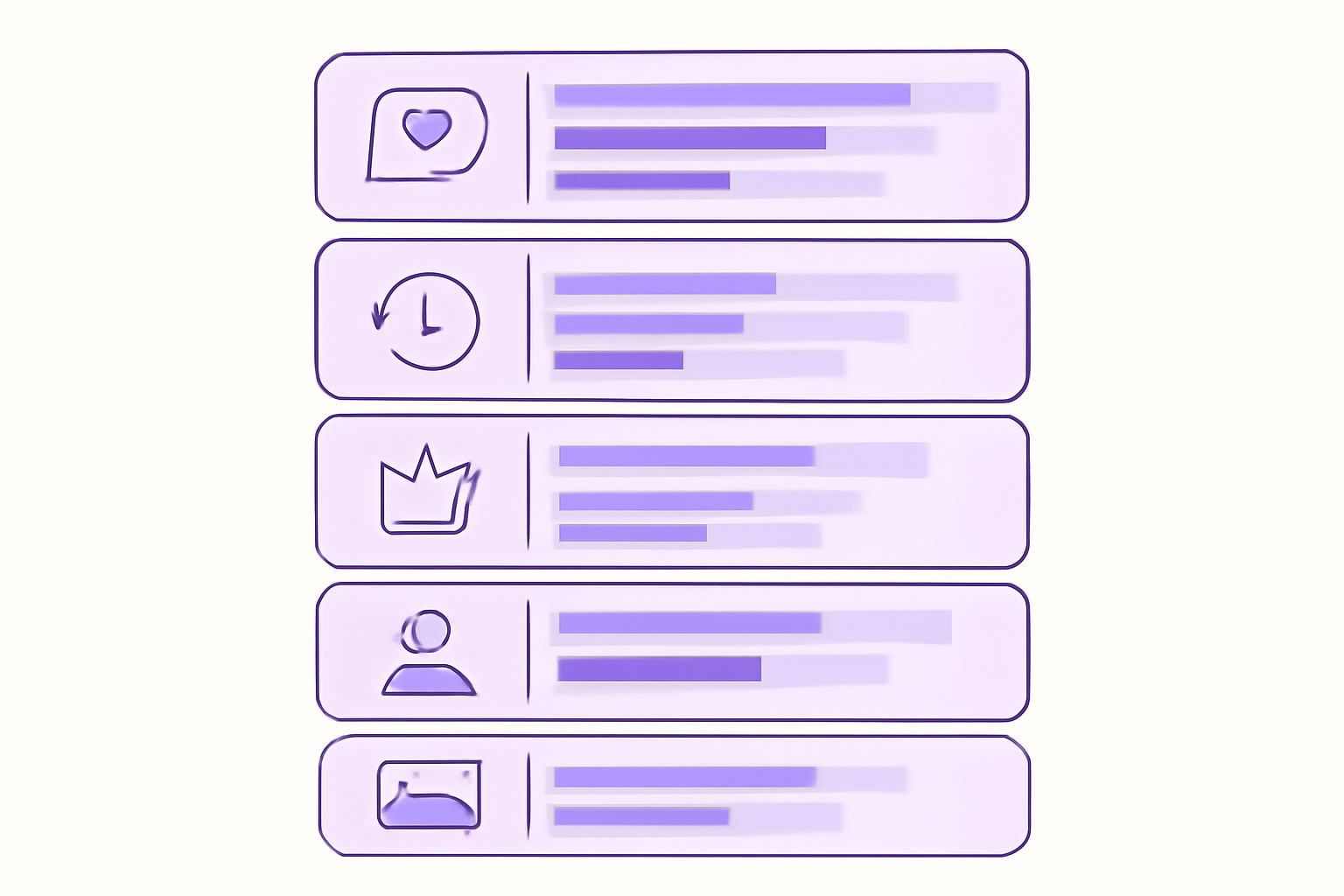
Based on the open-source release and platform behavior, these five signals dominate ranking decisions.
1. Engagement Velocity (First 30 Minutes)
The single most important factor. Posts that gain rapid interactions (likes, replies, retweets) in the first 30 minutes after publishing get amplified to wider audiences. A post with 50 engagements in 30 minutes will outrank a post with 200 engagements over 3 days. Engagement velocity is also why scheduled tweets work fine when you show up to engage post-publish.
2. Recency
Newer tweets rank higher than older tweets of the same engagement quality. The algorithm assumes recent content is more relevant. Older tweets can still appear in the feed if they have exceptional engagement, but the time decay is steep.
3. Premium Subscriber Status
X Premium subscribers receive an average of 2.4x more reach than non-paying users according to platform disclosures. This applies to both the author's posts and their replies. Verified Premium accounts also receive priority placement in conversation threads.
4. Author-User Affinity
Has this specific user engaged with this specific author before? Likes, replies, retweets, follows, and even profile clicks all build affinity scores. Higher affinity means your posts surface more often to users who have shown past interest.
5. Media Type and Content Format
Native content (threads, images, videos posted directly on X) outranks external link posts. According to Digital Applied's 2026 marketing report, external link CTR fell from 1.8% in 2024 to 1.2% in 2026, reflecting the algorithm's active deprioritization of off-platform traffic.
The Algorithm's Negative Signals
Several behaviors quietly suppress reach without triggering a formal shadowban.
- Mute or block from many users: If many users mute or block you, the algorithm treats your account as low-quality.
- Reported tweets: Multiple reports trigger automated review and reach suppression.
- Mass follow/unfollow patterns: Aggressive follow actions flag your account as bot-like.
- External link spam: Accounts with 40%+ of posts containing external links see reduced distribution.
- Duplicate content: Reposting the same text within 24 hours violates the duplicate content policy.
- Banned or flagged keywords: Certain words and topics (which change without notice) suppress posts.
- High reply-to-tweet ratios: Accounts that reply far more than they post can be classified as engagement farming.
If you see a sudden 30%+ drop in impressions, one of these negative signals is usually the cause. Our X analytics guide covers the diagnostic process for spotting suppression early.
How the For You vs Following Feed Algorithms Differ
| Feed | Sorting | Sources | Best For |
|---|---|---|---|
| For You | Algorithm-ranked | Followed + non-followed accounts | Discovery, viral reach |
| Following | Reverse chronological | Only followed accounts | Loyal audience consumption |
| Lists | Reverse chronological | Curated accounts in a list | Niche topic monitoring |
| Search results | Mixed relevance + recency | All public posts | Query-driven discovery |
| Bookmarks | Reverse chronological (saved) | User's saved posts | Personal reference |
| Xarmy Smart Feed | Algorithm-aware | Verified creator community | Engagement velocity |
Most users default to For You, which is also where the algorithm has the most power. Following feed is reverse-chronological and unfiltered, which is why creators with active followers benefit when their audience uses Following. Our AI-powered platform helps creators generate the velocity signal that lifts ranking in For You without relying on luck or virality.
How the Algorithm Changed in 2025-2026
Three shifts define the current state.
Reach contracted, engagement compressed. Average impressions per post dropped 5.3% from 2024 to 2025. Profile clicks dropped 31% over the same period. The algorithm distributes content to fewer users but expects deeper interaction from those users.
Retweets and replies gained weight. Retweets jumped 35% year over year (4.93 to 6.67 per post on average) and replies grew 21%. The algorithm increasingly rewards content that triggers sharing and conversation over passive consumption.
Video took over. According to Sprout Social's 2026 platform report, short-form video is now the format most likely to drive interaction from brand accounts. Daily video views exceeded 8.3 billion in 2024 and have grown through 2025.
Premium accounts pulled ahead. The 2.4x reach multiplier for Premium subscribers means free accounts now compete against a stacked deck. Premium also unlocks long-form posts (25,000 characters), expanded analytics, and prioritized reply placement.
10 Tactics That Consistently Lift Algorithmic Reach
Based on platform behavior and creator case studies.
1. Post Native Content
Threads, images, and native videos outperform link posts by 2-4x on engagement and 3-5x on reach.
2. Show Up in the First 30 Minutes
Reply to early comments, quote-tweet related conversations, and stay active. Engagement velocity is the strongest single signal.
3. Hook Hard in the First Line
The first 5-7 words decide whether users keep reading or scroll. Specific numbers, contrarian claims, and vivid scenes outperform generic openers.
4. Reply Thoughtfully to Larger Accounts
Reply within 30 minutes of a larger account's post in your niche. Thoughtful, substantive replies (not "great post!") surface prominently in the engagement and expose you to their audience.
5. Build Author-User Affinity
Consistent engagement with your audience builds the affinity score that lifts your posts in their feeds. Pin a tweet that encourages replies and respond to every reply for the first 30 days.
6. Use Threads Strategically
Each tweet in a thread generates its own algorithmic signal. Threads consistently outperform single long-form posts. Our thread reader guide covers structure for maximum impact.
7. Subscribe to X Premium
The 2.4x reach multiplier is significant for serious creators and brands. The $8-$16/month cost is one of the highest-ROI investments on the platform.
8. Post Consistently
The 2026 average is 17.34 tweets per week. Top accounts run 30-50. Consistency builds account quality scores and audience affinity.
9. Engage in Replies, Not Just Posts
Replies grew 21% year over year. The algorithm increasingly rewards accounts that participate in conversations rather than broadcast.
10. Build a Real Engagement Network
Authentic engagement from verified accounts produces the metric pattern the algorithm rewards. Our audience growth guide covers the difference between real and risky tactics.

What Will Not Beat the Algorithm
Five myths persist despite consistent evidence against them.
- "Posting more = more reach." Volume without quality dilutes attention and risks duplicate content flags.
- "Hashtags boost reach." 1-2 relevant hashtags help in topic discovery. 5+ hashtags signal spam.
- "The algorithm hates external links." Mostly true. The algorithm deprioritizes link-only posts but not posts with one link mixed into a thread.
- "Engagement pods work." Coordinated mass engagement triggers spam detection. The algorithm specifically watches for these patterns.
- "Buying followers improves ranking." Inactive followers tank your engagement ratio. The algorithm reads the imbalance and reduces your distribution.
The Algorithm and Creator Revenue
X paid out $415 million to creators in 2025 (up from $260 million in 2024). Eligibility depends on engagement metrics, not follower count. The top 1% of monetized creators earn over $52,000 annually while the median earns under $400, and the gap is driven almost entirely by engagement rate.
The algorithm and revenue model now reinforce each other. High-quality engagement signals lift reach, broader reach generates more ad impressions, and more ad impressions produce higher creator revenue share. Accounts that crack the engagement code see compounding growth across all three dimensions. Our engagement rate calculator guide covers the metric that ties everything together.
Frequently Asked Questions
How does Twitter's algorithm decide what I see?
The algorithm scores each candidate tweet based on engagement velocity, recency, author quality, your past interactions with the author, and content format. The highest-scoring tweets fill your For You feed. Switching to the Following feed shows posts in reverse chronological order from accounts you follow, bypassing the ranking algorithm.
Did Twitter (X) really open-source its algorithm?
Yes. X released the core ranking algorithm source code on GitHub in March 2023 and has continued to update it. The public repo shows the major scoring factors and weights, though subsequent platform changes have introduced additional signals not in the original release. The general framework remains accurate.
Does X Premium really boost my reach?
Yes. Verified Premium subscribers receive an average of 2.4x more reach than non-paying users. The boost applies to both posts and replies. Premium also unlocks long-form posts, expanded analytics, and prioritized reply placement in conversations. For serious creators, the $8-$16/month is one of the highest-ROI investments on the platform.
Understanding Twitter's algorithm is the difference between accidental reach and sustained growth. Focus on engagement velocity, native content, and author-user affinity, and the algorithm consistently rewards your work. Try our AI-powered platform for free to combine algorithmic alignment with real engagement from 10,000+ verified creators, the formula that consistently lifts reach in 2026.